Grantees Center Families Through Innovative Programs Focused on Healing
By Tamar Abrams
April 10, 2026
How can community programs best support family resilience and the healing process for parents and their children who have experienced violence?
Promising Futures grantees—which have included 93 grantees in 36 states and Washington, DC—are implementing innovative programs that include everything from art to storytelling, listening to parents, and finding culturally relevant services.
Futures Without Violence helps these grantees improve their impact through support, including trainings, peer learning communities, and evaluation.
“Promising Futures works with grantees who are making real and positive impacts in their communities through a variety of programs,” says Lonna Davis, Vice President of Children & Youth at Futures Without Violence, which oversees the grant program.
“Rooted in care and collaboration, these programs focus on intergenerational healing, which is paramount for families to thrive in school, work, and life,” Davis says.
Healing Requires Listening
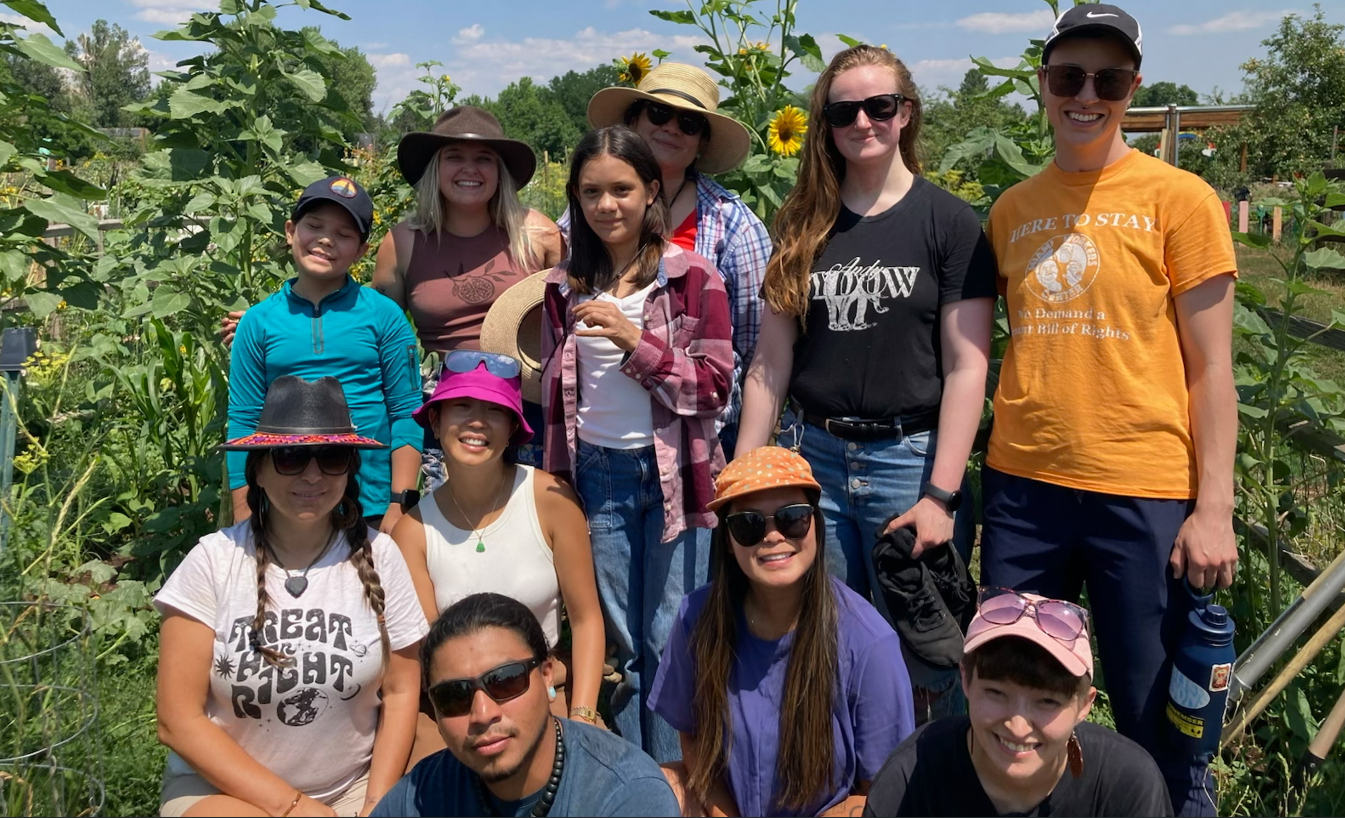
 Young people are vital to SPAN’s programming not only as participants, but as active partners.
One grantee in the Promising Futures program, The Family Violence Prevention Program for the Choctaw Nation of Oklahoma, which is home to 225,000 citizens and the third-largest Indian nation in the United States.
“Culturally appropriate services [for survivors of family violence] for the Choctaw Nation are grounded in relationship, respect, and community rather than a purely clinical or transactional approach,” says Anna Marcy, director of the program.
This means allowing extended family involvement when appropriate, honoring storytelling as a way of processing trauma, and understanding the importance of trust and consistency before expecting disclosure.
Marcy adds, “Many survivors carry a strong sense of responsibility to family and community, which influences both how harm is experienced and how healing occurs.”
Because survivors may be cautious when engaging with formal systems, the program’s approach emphasizes choice, transparency, and self-determination. Services have evolved through feedback from survivors, staff who are members of the Nation, tribal leadership, and community partners.
Collaboration is important to the Safehouse Progressive Alliance for Nonviolence, Inc. (SPAN) in Boulder, Colorado and their project, The Child/Youth Resiliency Project. This project focuses on the parent-child relationship.
Providers listen to parents who want help with parenting strategies, supporting their children, and being actively involved in their child’s life. Through caregiver support groups, coordination, and regular feedback, parents provide input on accessibility, transportation, and multilingual and culturally responsive services.
Parents wanted to learn how to promote health and resilience for their children through their daily interactions rather than relying solely on therapy. Parents requested specific strategies to talk about tough topics as well as parenting strategies for managing challenging child behaviors.
All this input resulted in the implementation of the program Let’s Connect® designed to strengthen parents and their relationships with their children.
SPAN’s Child/Youth Resiliency program relies on thoughtfully chosen partners through “prioritizing partners who share a commitment to client-centered, culturally responsive, and strength-based practices, ensuring consistency in service delivery,” says Tsunemi Maehara, Counseling Program Director for SPAN.
Young people are vital to SPAN’s programming not only as participants, but as active partners—shaping programs, evaluating effectiveness, and building community-based prevention efforts based on their own experiences.
Healing with the Help of Art
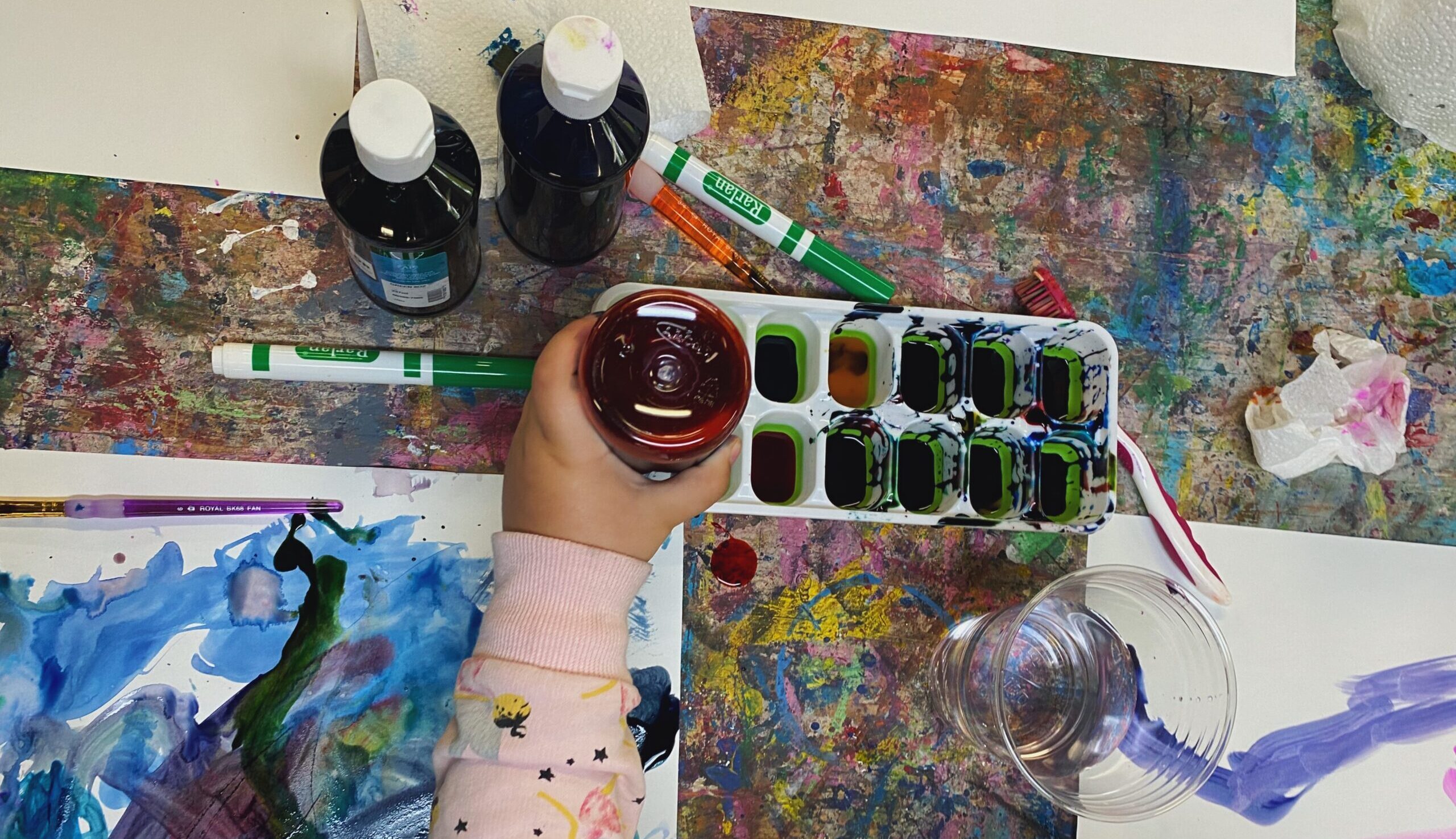 Umbrella Healing Together uses art to help families heal.
Across the country, Amy Torchia, Co-Coordinator of Umbrella Healing Together, Vermont Network Against Domestic & Sexual Violence (DV/SV Coalition) says, “The coalition and their member organizations have been embracing healing-centered approaches for a while now, both with staff and with families.”
They work to increase access to and enhance opportunities for “connection, healing, and resilience and improve community responses for children, youth, and parents/caregivers who have experienced domestic violence, including at the intersections of incarceration and substance use,” says Torchia.
Through Healing Together, art is centered as a healing element, creating it and showcasing it. Families who attend a camp organized by the coalition, and mothers in a correctional facility, create art as a means to heal. For another part of the project, moms inside a correctional facility create art projects to send home to their children and, on weekend visits, children join their mothers in making art.
“Doing art together as a family creates a shared common experience of joy and play—even if we’re not focused specifically on ‘feelings’ or on working through trauma. It’s profound for children when they experience their parents playing with them, making art with them, and singing with them,” explains Torchia.
One of Healing Together’s most loved programs is the Lullaby Project. The project originated as a program of Carnegie Hall’s Weill Music Institute that pairs professional musicians with parents to write bedtime songs for their babies and songs of love for older children.
“We saw the healing potential of this opportunity and broadened our scope to support survivor parents, grandparents, youth, project staff, and advocates to write lullabies and songs of love for the children in their lives, loved ones, and themselves,” explains Torchia.
The program culminates with a community concert where songs are performed by professional musicians and, sometimes, by the songwriters themselves.
Healing Can Happen
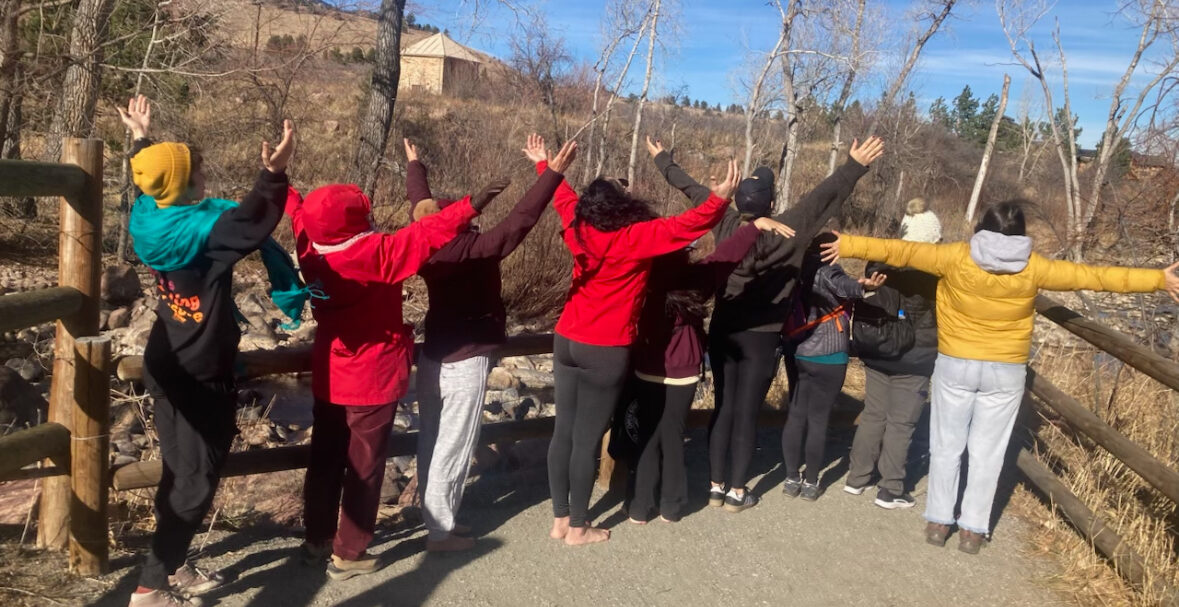
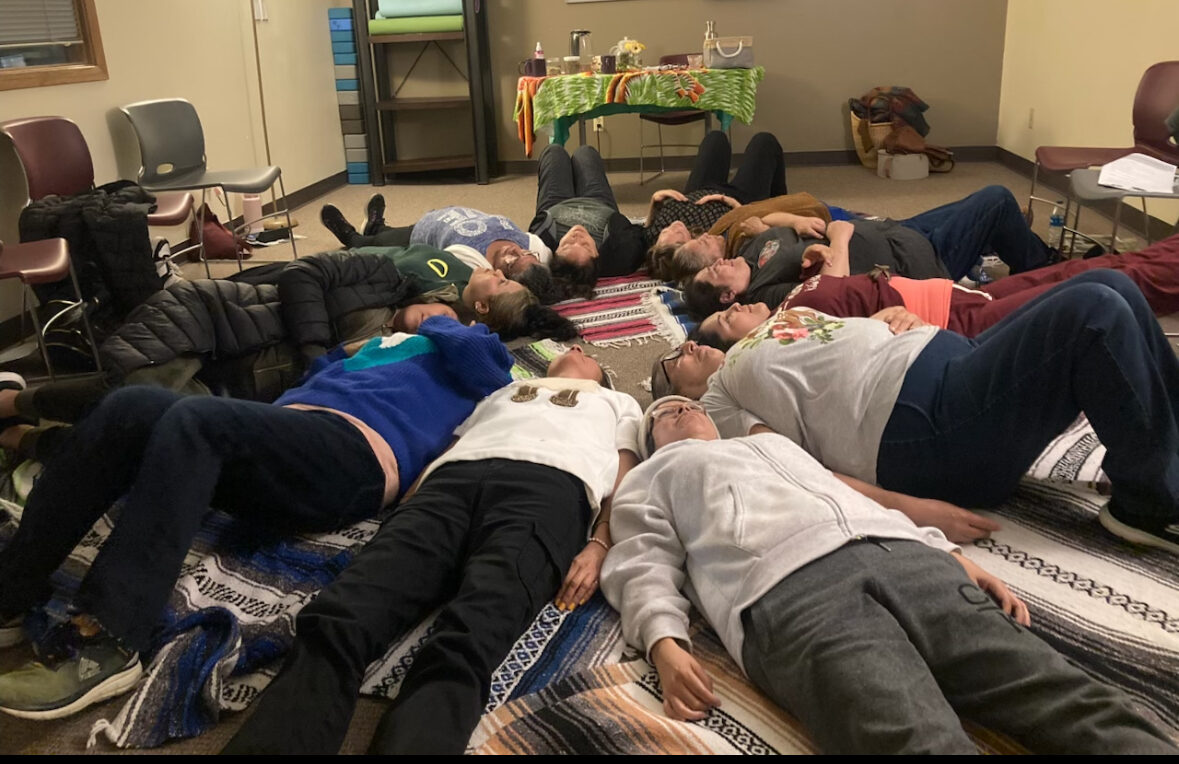 SPAN’s Child/Youth Resiliency Project focuses on the parent-child relationship.
The grantees see firsthand the impacts that these programs have on families’ healing journeys.
In Colorado, Let’s Connect has demonstrated significant promise as a prevention program for families experiencing trauma, adversity, and other stressors, according to the evaluation team at the University of Colorado Boulder Center for Resilience + Well-Being.
Survey data show that the program reduces parenting stress and child mental health challenges, including symptoms of depression/anxiety, behavioral problems, and traumatic stress.
For Torchia and the Healing Together program in Vermont, she sees firsthand the healing that is happening.
“We have been able to use storytelling through interviews, art, and lullabies to show the impact of our programming,” Torchia says. “And we’ve been at it long enough now that we’re getting longitudinal stories from staff who have been working with families…and can see the shifts in their behaviors and perceptions.”
In Oklahoma, explains Marcy, “Healing is not measured by a single outcome or timeline. We look for meaningful changes that reflect increased safety, stability, and personal agency.”
This includes:
- Reduced crisis intervention needs,
- Consistent engagement in counseling or advocacy,
- Improved emotional regulation, and
- Survivors making decisions based on choice rather than fear.
“Healing often becomes visible through practical changes before it is articulated emotionally,” Marcy says.
Marcy shares that supportive work with one survivor resulted in improved sleep, fewer panic responses, and stronger personal boundaries. The children showed improved emotional stability and school engagement.
Healing is personal, just as pain and trauma are.
One Vermont mom who wrote a lullaby for her child says, “We’ve always had a great bond, but it opened my eyes…it helped me personally. ‘Heal’ is a good word. It brought me closer to her, even if she doesn’t recognize it yet.”
Support Strengthens Impact
Looking across all of the grantees in the Promising Futures program, a few lessons have emerged about what makes a successful program. They include:
- Listening: Survivors of family violence may be cautious when engaging with formal systems. For healing to occur, a family needs to have trust in the program. That begins with listening.
- Flexibility: Be open to new ideas. For a parent or caregiver, support could mean help with transportation, parenting strategies, childcare, or it could mean inviting extended family to be involved in the healing process, too. Support can look like a variety of things.
- Whole family healing: Violence, whether domestic violence or child abuse, affects the whole family unit. Programs that create common, joyful experiences that enhance connection and resilience for the family can help in the healing process.
- Innovation: Healing is not a one-size-fits-all. Think creatively about programming, collaboration opportunities, and peer-learning communities. Learn what’s working or not in other programs.
In addition, technical assistance from a network such as Promising Futures helps to strengthen their impact.
Marcy explains, “Promising Futures has been instrumental in advancing our work through technical assistance, training, and thoughtful guidance.”
“Their support has strengthened our trauma-informed practices and helped us think beyond compliance toward long-term impact. Promising Futures helped us feel supported, heard, and encouraged to grow while remaining grounded in our values and community needs.”
The development of this blog was supported by Grant Number 90EV0532 from the Administration on Children, Youth and Families, Family and Youth Services Bureau, U.S. Department of Health and Human Services. Points of view in this blog are those of the authors and do not necessarily reflect the official positions or policies of the U.S. Department of Health and Human Services.