

These Strategies Help Create More Meaningful Engagement
By Dr. Manuelito Biag, Managing Director of Education for the Courage Museum
July 28, 2026
Youth programming has been an important part of our work at FUTURES. From running campaigns on healthy relationships, partnering with school-based health advocates, to helping launch Coaching Boys Into Men for athletes and Team: Changing Minds to train youth mental health responders, we have reached millions of youth.
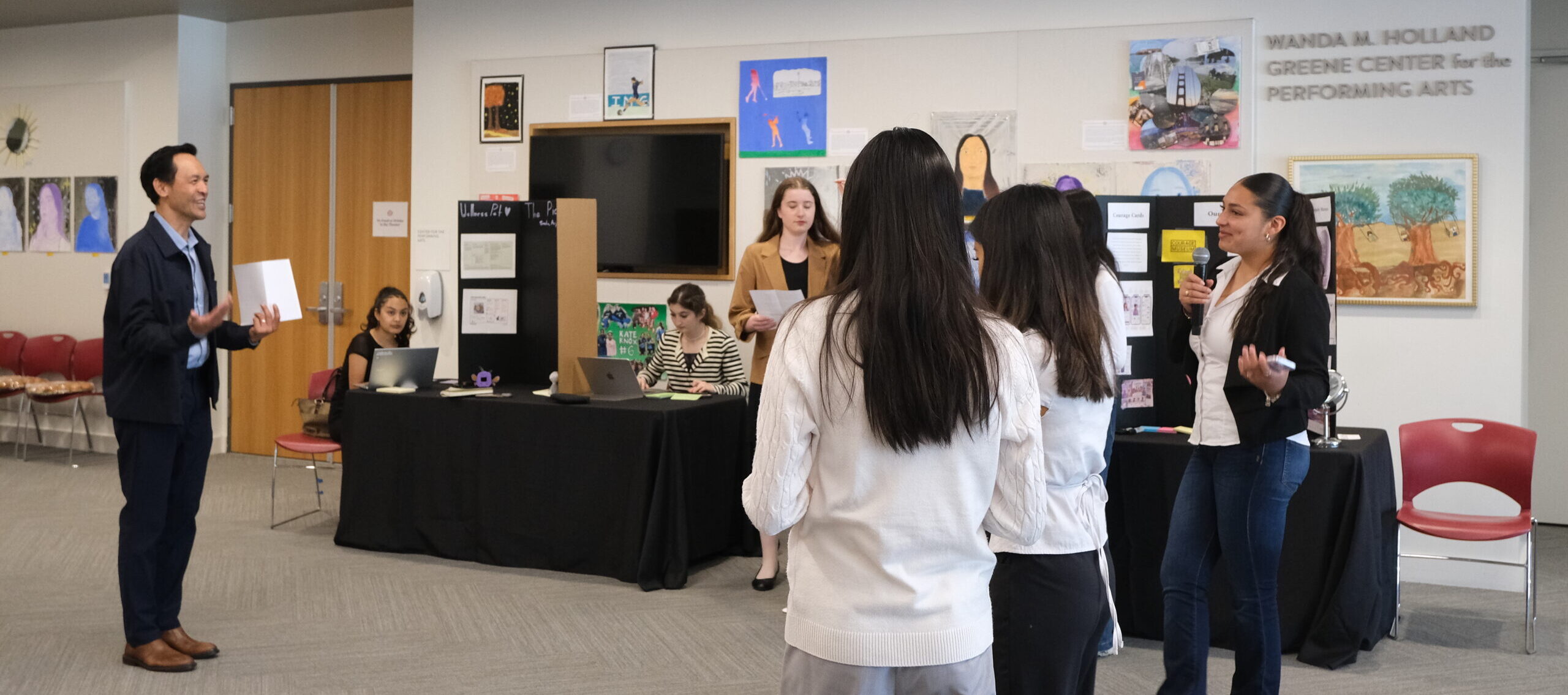
With the opening of the Courage Museum, where visitors will be invited to reflect, connect, and imagine what’s possible when courage leads the way, coming in 2027, I have been working to launch new youth programs. These programs, like the Youth Advisory Council and FIERCE Girls – a 10-week financial literacy and entrepreneurship program – are designed to not only draw kids to the museum but give them some ownership over what the museum is and what it can be.
Starting a youth program can feel exciting and overwhelming at the same time. But after years of working with young people, I’ve learned that you don’t need to have everything figured out before you begin. What matters most is having a clear set of principles to guide you and a willingness to learn alongside youth.
At the Courage Museum, our approach is grounded in co-design and design thinking. That means creating with young people. We ask questions, listen carefully, test ideas, gather feedback, and keep improving. Young people are active partners in the process.
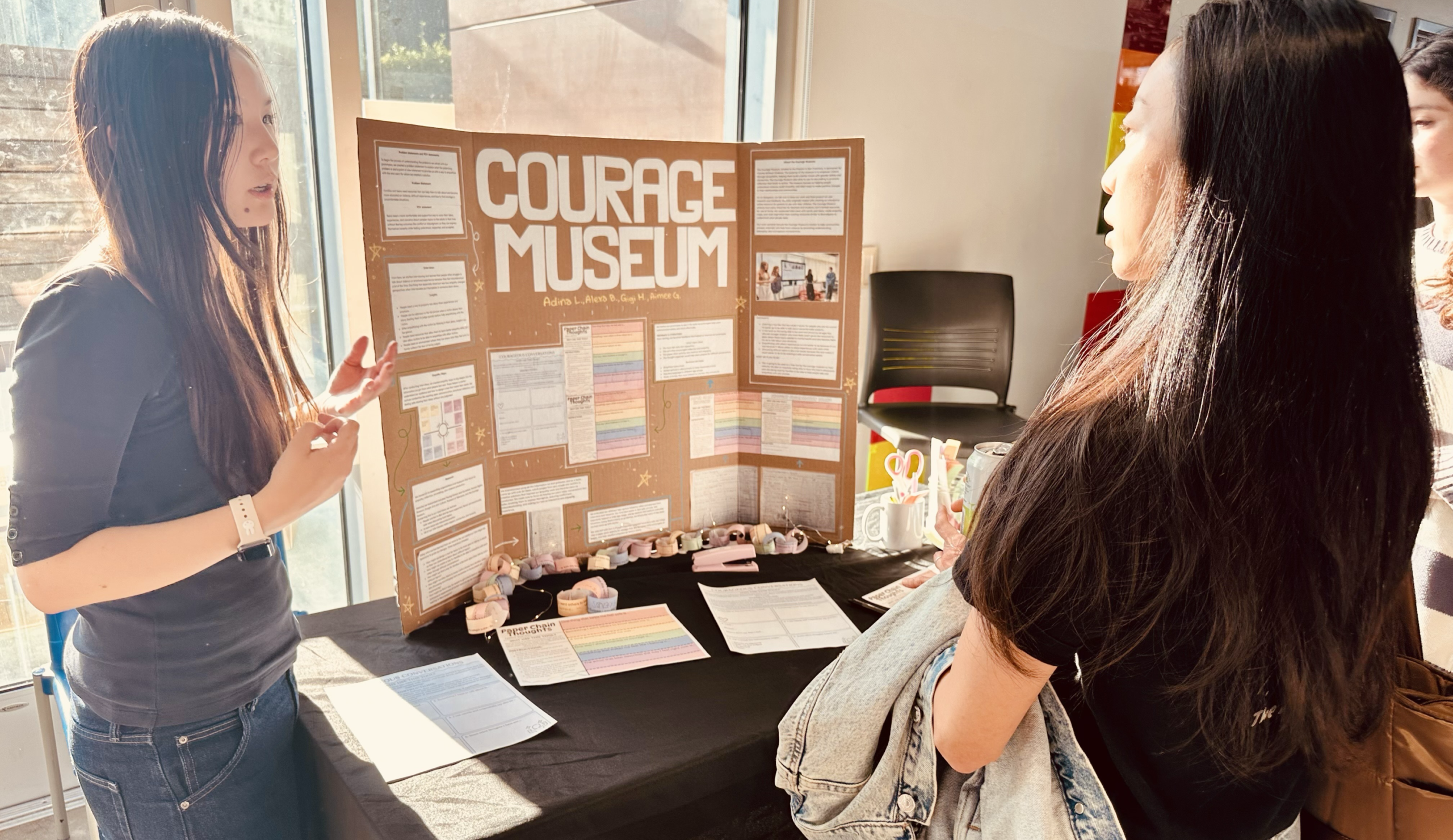
Five concrete ways to ensure you can harness the power of young people in your design:
- Start with what young people already bring. Adults typically focus on what young people lack. A better starting point is to ask what they already know, care about, and can contribute. Young people bring creativity, honesty, lived experience, and fresh ways of seeing the world. A strong youth program begins by treating those strengths as assets.
- Help teens feel safe and welcomed. Whether in-person or in a virtual space, teens are more likely to participate when they feel respected and included. It takes time to build trust, set clear expectations, and create an environment where youth can share honestly without fear of being judged. Before asking young people to lead, we have to make sure they feel safe and like they belong.
- Design with youth. Young people know when adults are only pretending to listen. Co-design means giving youth real chances to shape the program, not just react to decisions that have already been made. At the Courage Museum, students give feedback on exhibits and programs and help us imagine what the institution can become.
- Let young people work on authentic challenges. Young people are most engaged when the work feels real. Design thinking helps make that possible. Students can interview peers, identify needs, brainstorm ideas, build prototypes, and test them with others. Whether they are designing a museum store product, a playlist, or a museum activity, they are learning by doing.
- Help young people see themselves as decision-makers. The best youth programs do more than teach skills. They help young people see that their voices matter and that their ideas can make a difference. When youth are invited to imagine a future without violence and take steps toward building it, they begin to understand leadership in a new way.
These five principles shape our work at the Courage Museum. Every youth program will look different, but the strongest ones share the core belief that young people are critical assets in building something better.